


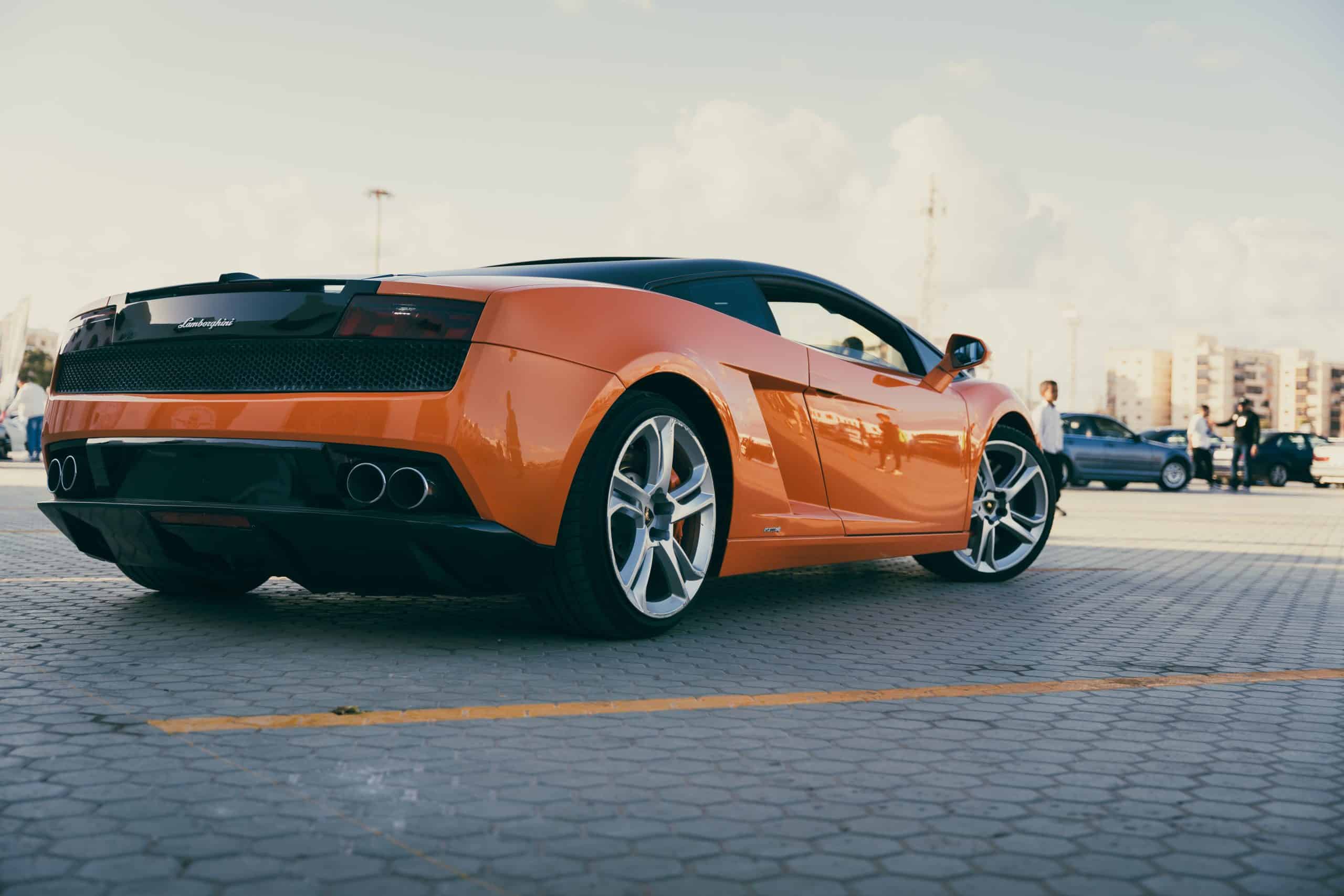
A Lamborghini isn’t just a car. It’s a precisely engineered machine where every panel, joint, and electronic system has been calibrated to deliver a specific driving experience. When one gets damaged — whether from a collision, road debris, or a parking lot incident — getting it back to that original standard requires far more than conventional bodywork.
The materials are different. The tolerances are tighter. The systems are more complex. And the consequences of a substandard repair show up in ways that matter: compromised handling, misaligned aerodynamics, failed safety systems, and a vehicle that’s harder to sell at fair value.
Here’s what a proper Lamborghini restoration actually involves, and why every step counts.
Why Lamborghinis Require a Different Repair Approach
Modern Lamborghinis are built around advanced materials and construction methods that most repair shops simply aren’t equipped to handle. Aluminum-intensive body structures, carbon fiber panels, integrated aerodynamic components, and sophisticated driver assistance systems all demand specific repair procedures.
A technique that works perfectly on a conventional steel-bodied vehicle can cause additional damage on an aluminum or carbon fiber structure. Without the right equipment, training, and manufacturer procedures, even a well-intentioned repair can leave the vehicle structurally or mechanically compromised.
Factory standards aren’t bureaucratic checkboxes — they reflect thousands of hours of engineering decisions about how the car should perform, absorb impact, and hold together over time.
Stage 1: Damage Assessment
A thorough inspection is where every credible restoration starts — and it goes well beyond what’s visible from the outside.
Experienced technicians document all surface damage, then systematically evaluate structural components, suspension geometry, aluminum body structures, carbon fiber panels, safety systems, and sensors. Computerized measuring systems compare the vehicle’s frame against factory specifications, identifying deviations that are invisible to the naked eye but significant enough to affect how the car drives.
This isn’t just about building a repair estimate. It’s about understanding the full scope of what the collision actually did to the vehicle before a single repair begins.
Stage 2: Disassembly and Blueprinting
Once the assessment is complete, the damaged areas are carefully disassembled. This exposes components that couldn’t be evaluated externally and often reveals hidden damage — delaminated carbon fiber, bent substructures, compromised mounting points — that would have been missed otherwise.
Blueprinting turns the assessment findings into a structured repair plan. Technicians document every required repair, specify OEM replacement parts, outline structural correction procedures, and map out calibration requirements. This planning phase is what keeps a complex restoration organized and ensures nothing gets addressed out of sequence or overlooked entirely.
Stage 3: OEM Research and Procedure Compliance
Lamborghini publishes specific repair procedures for each model. These guidelines cover structural repair techniques, welding and adhesive bonding methods, fastener specifications, material handling requirements, and calibration protocols.
Following these procedures isn’t optional if the goal is a factory-standard result. They exist because the engineers who designed the vehicle determined that these are the correct methods for restoring its intended performance and safety characteristics. Deviating from them — even with good intentions — can introduce structural weaknesses that won’t surface until the vehicle is tested at its limits.
Stage 4: Structural Correction
The frame and underlying structure form the foundation that everything else depends on. Even a moderate collision can shift structural alignment in ways that affect handling, suspension performance, tire wear, panel fitment, and aerodynamics.
Using computerized frame measurement and advanced straightening equipment, technicians restore the structure to factory tolerances. On a Lamborghini, those tolerances are tight. Accuracy at this stage determines the quality of every repair that follows.
Working with Aluminum and Carbon Fiber
These two materials appear extensively across Lamborghini models, and both require specialized handling.
Aluminum demands dedicated work areas, separate from steel repair zones, to prevent cross-contamination. It behaves differently under heat and stress, and technicians need specific training and tooling to repair it correctly without introducing new weaknesses.
Carbon fiber is even less forgiving. Delamination, fractures, and impact damage can compromise structural integrity without being obvious at the surface. Some damage can be repaired using approved composite techniques; other damage requires full component replacement. The key is accurate evaluation — not optimism about what can be salvaged.
Aerodynamics and Panel Fitment
Every Lamborghini’s body shape, splitters, diffusers, and airflow channels are engineered to produce specific aerodynamic effects at speed. Improper panel alignment or incorrect component fitment disrupts that airflow, affecting stability and cooling in ways the driver may not notice until the car is pushed hard.
Restoring factory aerodynamic performance means precise fitment, correct mounting procedures, and OEM-approved components when replacement is necessary. Close enough isn’t good enough here.
Paint Matching
Lamborghini’s color palette is one of the most demanding in the industry — vibrant yellows, deep metallics, custom factory finishes — and matching them requires more than a good eye.
Professional refinishing uses digital color analysis, OEM paint specifications, controlled spray environments, and advanced blending techniques to produce a result that’s indistinguishable from the original finish. Achieving that standard demands premium paint systems and technicians with experience on exotic vehicles, not just general refinishing experience.
Electronic Calibration
Modern Lamborghinis rely on a network of sensors, cameras, and driver assistance systems that must be recalibrated after collision repairs. Parking sensors, blind spot monitoring, adaptive cruise control, and stability systems all depend on precise positioning and alignment data that a collision can throw off.
Skipping calibration — or performing it incorrectly — leaves systems operating on bad data. That’s a safety concern, not just a technical one. Post-repair verification of every affected system is a non-negotiable part of a complete restoration.
Final Quality Control
Before any Lamborghini leaves the facility, it goes through a thorough quality inspection covering structural repairs, panel alignment, paint finish, surface quality, system calibrations, and overall vehicle operation. This final pass is where problems surface before the owner does.
A properly restored Lamborghini should drive, handle, and look exactly as it did before the damage. If there’s any doubt, the car doesn’t leave.
How Repair Quality Affects Resale Value
Lamborghinis hold value partly because they’re rare, and partly because buyers in this market pay attention. Repair documentation, panel fitment, paint consistency, and structural history all factor into how a vehicle is evaluated during a private sale or dealer appraisal.
A restoration completed to factory standards, with proper documentation, supports the vehicle’s value. Visible imperfections, misaligned panels, or a repair history that raises questions can meaningfully reduce what a buyer is willing to pay — sometimes by more than the cost of doing the repair correctly in the first place.
If your Lamborghini has been involved in a collision or requires expert restoration, the facility you choose matters as much as the repair itself. At European Autoworks in Burlington, ON, we specialize in luxury and exotic collision repair, with the equipment, training, and OEM-focused procedures your vehicle requires. Contact us to schedule a comprehensive assessment and learn how we approach every restoration — from the first frame measurement to the final quality inspection.