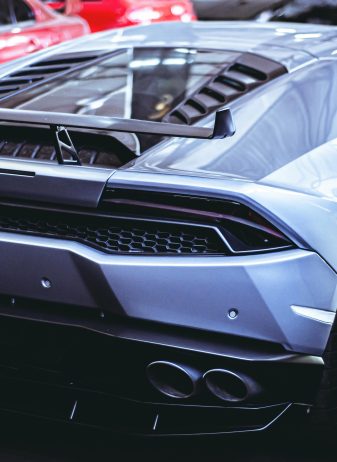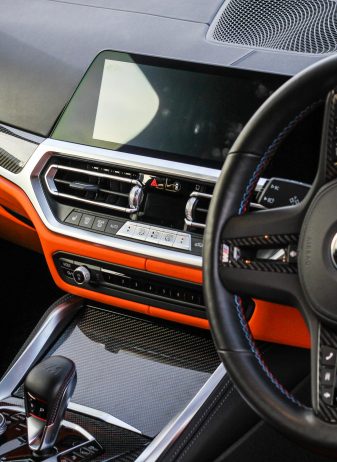

A long summer drive in a well-sorted European vehicle is one of the better things in life. But that experience depends entirely on the car being ready for it. Hours of highway driving, rising ambient temperatures, extra cargo weight, and the occasional detour through stop-and-go traffic all place real demands on systems that may have been quietly developing issues since last season.
For drivers of BMW, Mercedes-Benz, Audi, Porsche, Volkswagen, Alfa Romeo, Land Rover, Jaguar, and similar brands, preparation matters more than it might for a conventional vehicle. The engineering that makes these cars exceptional also makes them less forgiving when maintenance is deferred. A small problem at home becomes a bigger one somewhere between here and your destination.
Here’s what to check before you leave.
Schedule a Pre-Trip Inspection First
Before working through any checklist yourself, the most useful thing you can do is book a professional inspection. European vehicles carry advanced electronics, performance suspension geometry, and specialized drivetrains that benefit from expert eyes — not just a walk-around in the driveway.
Many issues develop gradually and produce no obvious symptoms until they’re pushed harder than usual. A highway road trip is exactly that kind of test. A pre-trip inspection catches problems while you still have time and options to fix them.
Tires: The One Thing Worth Being Thorough About
Your tires are the only contact point between the car and the road. Everything else — braking, handling, stability — runs through them.
Check all four for uneven tread wear, sidewall cracking, embedded debris, and adequate tread depth. Then check pressures when the tires are cold. Summer heat causes tire pressure to rise, and starting underinflated accelerates that process and generates excess heat in the tire itself.
European performance vehicles often have specific pressure requirements that differ from what you might expect. Check the door jamb placard or owner’s manual, not just the tire sidewall. If your tires are worn or aging, replace them before the trip — not after something goes wrong at highway speed.
Wheel Alignment
Alignment problems that feel minor around town become more noticeable — and more wearing — over long highway stretches.
If the car tracks slightly left or right, the steering wheel sits off-center at speed, or you’ve noticed uneven tire wear on one side, have the alignment checked. Proper alignment reduces tire wear, improves fuel efficiency, and keeps the car feeling planted and precise — qualities that define the European driving experience and degrade noticeably when alignment drifts.
Air Conditioning
A failing air conditioning system on a hot July highway is more than uncomfortable — it’s distracting and fatiguing in ways that affect driving quality.
Test the system before you leave. It should produce cold air quickly, hold a consistent temperature, and run quietly. Weak cooling, inconsistent output, or musty odors when the system kicks on all indicate something worth checking. Refrigerant leaks, worn compressors, and faulty sensors are common culprits. So is a clogged cabin air filter, which restricts airflow and makes the system work harder than it should.
Fluids
Extended driving in warm weather puts more demand on every fluid in the car. Run through these before departure:
Engine oil. European engines typically require specific synthetic oil formulations — not generic substitutes. If you’re approaching your next service interval, complete it before the trip rather than during or after.
Coolant. Low or degraded coolant is one of the more common causes of summer overheating. Check the level and condition, particularly if it hasn’t been serviced recently.
Brake fluid. Brake fluid absorbs moisture over time, which lowers its boiling point and reduces braking consistency. If it hasn’t been changed in a while, this is worth addressing before a long drive.
Transmission fluid. Long highway drives generate heat in the transmission. Proper fluid condition supports smooth shifting and protects internal components.
Windshield washer fluid. Easy to overlook, genuinely useful when you’re covering hundreds of kilometers through insects and road film.
Brakes
Pay attention to how the brakes feel in the days before your trip. Squealing or grinding noises, vibration through the pedal under braking, increased stopping distances, or a soft pedal feel all warrant inspection before departure.
European braking systems are engineered for strong, consistent performance. Worn pads or degraded rotors won’t deliver that, and the consequences of brake problems on unfamiliar roads are significant. A brake inspection takes little time and removes one of the bigger variables from the trip.
Battery
Battery failures are more associated with winter, but summer heat does real damage too. High temperatures accelerate the internal degradation that eventually leaves you with a car that won’t start.
If your battery is three years old or more, have it load-tested before you go. Slow cranking, dim lighting, or any electrical irregularities are signs it may be on its way out. European vehicles lean heavily on their electrical systems, and a weak battery can trigger a cascade of electronic issues that are inconvenient to diagnose roadside.
Cooling System
The cooling system works harder in summer, especially under load. Heavy cargo, sustained highway speeds, and hot ambient temperatures all push engine temperatures higher than typical commuting does.
A proper cooling system check covers coolant level and condition, hose integrity, radiator condition, thermostat function, and cooling fan operation. An overheating engine can cause serious damage quickly. Cooling system maintenance is inexpensive compared to what it prevents.
Belts and Hoses
These components degrade with age and heat exposure. A cracked or worn serpentine belt can take out the alternator, air conditioning, and cooling system simultaneously. A failing hose can cause a coolant leak far from the nearest service shop.
Neither takes long to inspect. If yours are showing age or haven’t been replaced according to the manufacturer’s service schedule, address them before the trip.
Exterior Lighting
Check all exterior lighting before departure: headlights, brake lights, turn signals, reverse lights, fog lights, and daytime running lights. Road trips involve early starts, late arrivals, and unpredictable weather — all situations where lighting matters more than it does on a familiar daily commute.
Many European vehicles use adaptive or matrix LED systems. If any warning messages appear related to lighting, have them diagnosed before you go.
Cargo Loading
Packing heavily affects more than fuel economy. Excess weight influences braking distance, tire wear, suspension behavior, and handling feel — all of which matter on a long drive.
Distribute weight as evenly as possible across the load area and check your vehicle’s maximum load rating in the owner’s manual. European vehicles are engineered around specific weight parameters, and exceeding them changes how the car behaves in ways that aren’t always obvious until you need the car to perform.
One Practical Note on Timing
Book your inspection and any required maintenance at least a week before you plan to leave. This gives the shop time to source parts if needed, and gives you time to address anything that turns up without a departure deadline hanging over the process.
A car that’s been properly prepared before a road trip is easy to forget about — which is exactly the point.
At European Automotive in Burlington, ON, our team specializes in pre-trip inspections, maintenance, and diagnostics for luxury and imported European vehicles. Whether you need a thorough once-over before a long drive or specific repairs before departure, we’ll make sure your vehicle is ready for whatever the road brings. Contact us to schedule your pre-trip inspection before summer gets away from you.